GUIDE
Oshi-katsu culture timeline — language, media, and fan milestones
Long before “oshi-katsu” became a buzzword, milestones kept changing how close fans could get to their favorites — live venues like theaters and Budokan, subculture hubs, Akihabara-style idols, video and streaming, social games, and official fan communities. This page is a rough reference timeline of that flow.
Theater, stage, and “going to see them” culture
From Takarazuka and theater-based idols to 2.5D musicals — the culture of going to performances in person and following casts and shows.
First performance of the Takarazuka Girls’ Revue
A girls’ revue that began as entertainment at Takarazuka New Hot Spring became the starting point of Takarazuka Revue. It is one origin of theater-centered fan culture where audiences follow productions.
SourceTakarazuka Revue 100th Anniversary — History (Hankyu Railway)
Musical The Prince of Tennis — series begins
Production of the musical The Prince of Tennis (Tenimyu) by Nelke Planning began. It became a flagship of what later came to be called “2.5D musicals,” with performances continuing as a long-running series.
SourceJapan 2.5-Dimensional Musical Association — pamphlet (PDF)
AKB48 Theater grand opening
AKB48 launched at a dedicated theater in Akihabara under the concept of “idols you can go meet.” Early shows drew small crowds, but theater performances spread a close-range oshi-katsu style.
Love Live! — School Idol Project launches
In 2010 Love Live! was announced, starting a cross-media project themed on high-school idols. With “a story we all make together” as a keyword, it later expanded into live events and smartphone games — a model case for supporting characters, voice actors, and lives together.
AKB48 “Release commemoration handshake event” at Makuhari Messe
A “release commemoration handshake event” for AKB48 theater-edition CD buyers was held at Makuhari Messe. Fans could choose members for one-on-one handshakes — a format that became a large-scale staple alongside theater shows as a symbol of in-person oshi-katsu.
SourceAKB48 official site — “Ponytail to Shushu” theater edition handshake event
Japan 2.5-Dimensional Musical Association established

The Japan 2.5-Dimensional Musical Association was founded to expand the domestic market and overseas reach of stage works based on manga, anime, and games. Publishers, production companies, broadcasters, and others joined as members.
SourceJapan 2.5-Dimensional Musical Association — activities
Musical Pretty Guardian Sailor Moon — Shanghai performances
The “Sailor Moon” musical series held performances in Shanghai, China. The association cites this as one of the events that marked the full-scale overseas staging of 2.5D musical works.
SourceJapan 2.5-Dimensional Musical Association — news (August 27, 2014)
AiiA 2.5 Theater Tokyo opens as a dedicated 2.5D venue
AiiA 2.5 Theater Tokyo in Shibuya opened as a dedicated 2.5D musical theater with operational support from the association. The first production was a stage adaptation of NARUTO; subtitle support and inbound ticket purchase were also developed.
SourceJapan 2.5-Dimensional Musical Association — news (October 21, 2014)
Love Live! Series live — uchiwa banned; penlights and glow sticks allowed
For LoveLive! Series Presents COUNTDOWN LoveLive! 2021→2022, venue rules banned all uchiwa, message boards, panels, flags, and banners regardless of size or lighting, while penlights and chemical lights (glow sticks) remained permitted. Similar rules repeated at Love Live! shows, illustrating the shift from decorated uchiwa to penlight- and glow-stick-centered cheering.
SourceLove Live! Series — COUNTDOWN LoveLive! 2021→2022 venue rules
Places for your oshi (Budokan, Akihabara, Ikebukuro, and more)
Budokan, Harajuku, Nakano, and subculture districts like Akihabara and Ikebukuro — destinations for following your oshi and the idol culture those streets nurtured.
Nippon Budokan opens
Built and opened as the judo venue for the 1964 Tokyo Olympics, Nippon Budokan later hosted many pop and idol solo concerts. “The Budokan stage” became a goal and milestone for artists and fans alike.
Nakano Broadway opens
Nakano Broadway opened in 1966 as a commercial-residential complex. From the 1980s, Mandarake’s manga specialty store helped gather subculture shops, and the building became known as a “subculture holy land.”
Laforet Harajuku opens
Laforet Harajuku opened near Meiji Jingu and Harajuku. Positioning fashion as “culture that expresses the times,” it hosted exhibitions and fashion shows and became a landmark that helped Harajuku grow as a fashion and culture hub.
Mandarake opens inside Nakano Broadway

Used manga shop Mandarake opened inside Nakano Broadway. It expanded as a store for specialty and collector items and helped Nakano Broadway settle as a subculture and otaku hub.
Lumica Light chemical glow sticks go on sale (trademark registered)
Lumica Inc. registered and launched the Lumica Light glow stick product. The company had sold chemical light sticks domestically since the 1980s — a brand widely used for penlights and glow-stick cheering at live shows.
SourceLumica Inc. — history
Comic Toranoana founded (Akihabara store)
Specialty shop Toranoana (later Comic Toranoana) for doujinshi, manga, and anime goods was founded and opened in Akihabara. It later expanded mail-order and online sales as a chain for oshi-work doujin and merchandise.
instax mini 10 (Cheki) released
FUJIFILM released the instax mini 10 instant camera using card-size film (nicknamed Cheki). On-the-spot photos later became a staple for commemorative shots with your oshi at lives and events.
Animate Ikebukuro flagship store opens
 PR TIMES
Animate, a specialty store for anime, comics, and games, opened its first location near Sunshine City in Ikebukuro. The area later grew as a girls’ subculture hub called “Otome Road,” a starting point for oshi-katsu goods and event circulation.
Onyanko Club debuts from Yuuyake Nyan Nyan
Onyanko Club debuted on Fuji TV variety show Yuuyake Nyan Nyan as program assistants. Their July debut single “Don’t Take Off My Sailor Suit” became a huge hit, and TV-centered idol fan culture spread as a social phenomenon.
Village Vanguard founded
Retailer Village Vanguard was founded under the keyword “a bookstore you can play in,” mixing books, goods, and CD/DVD displays. It spread as a place to encounter subculture and indie works and to find oshi-katsu goods and fan books.
Dempagumi.inc major debut with “Future Diver”
Single “Future Diver” was released as the first title on MEME TOKYO, a label set up by Toys Factory and producer Mofukuchan. The song by Hatachi, Koike Masaya, and Maeyamada Kenichi later lent its name to a Budokan show title, bringing Akihabara-born subculture idols to the major scene.
SourceTOY'S FACTORY official store — Future Diver (TFCC-89353)
AKB48 Group’s first Nippon Budokan concert
AKB48 Group Extraordinary General Meeting — Let’s Settle This! was held at Nippon Budokan. It was positioned as the group’s first Budokan solo concert and symbolized theater idols aiming for “the Budokan stage.”
Cheering AD fan-support ads launch in earnest
 PR TIMES
JR East Marketing & Planning (jeki) fully launched Cheering AD, a service that arranges and supports “cheering ads” (birthday ads) at stations and on trains for individuals and fan groups. Fan ads celebrating birthdays and events spread with media coordination and rights handling.
SourceJR East Marketing & Planning — press release (January 13, 2022)
Music and television
From CD debuts to music shows and flagship variety — the viewing habit of following new songs and TV appearances on Friday and Saturday slots.
Seiko Matsuda debuts with “Barefoot Season”
Seiko Matsuda released debut single “Barefoot Season” on CBS/Sony (CM song for Shiseido Ekubo cleanser). After Momoe Yamaguchi’s retirement, she helped shape music-show viewing oshi-katsu as female idol culture heated up.
Music Station begins on TV Asahi
TV Asahi music program Music Station (M-Sta) aired its first episode. Weekly Friday live broadcasts with multiple artists on one stage became a long-running slot for watching your oshi’s new performances in real time.
Tamori becomes host of Music Station
Tamori became host of Music Station (April 1987 onward). For many years he was the face of Friday-night music TV, delivering talks and live performances with oshi artists.
SMAP CD debut with “Can't Stop!! -LOVING-”
Johnny & Associates boy group SMAP debuted with single “Can’t Stop!! -LOVING-.” They later became a model for Johnny’s male-idol oshi through SMAP×SMAP, Utaban hosting, and Tokyo Dome shows. The group disbanded on December 31, 2016.
COUNT DOWN TV (CDTV) settles as a long-running TBS music show
TBS network music show COUNT DOWN TV (CDTV). A TBS archive in January 2026 (debut-song ranking special) notes 32 years since CDTV began. TBS Channel also positions it as a “long-running music program” — a Saturday late-night slot for new songs and chart positions.
SourceTBS Television — CDTV Live! Live! archive (January 19, 2026)
SMAP×SMAP begins on Fuji TV
SMAP’s flagship variety SMAP×SMAP began on Fuji TV. Through corners like “Bistro SMAP,” it became a representative of TV viewing oshi content for individual members and the group. Regular broadcasts ended with the final episode in December 2016.
Namie Amuro releases “Body Feels EXIT”
Namie Amuro released single “Body Feels EXIT,” produced by Tetsuya Komuro, on avex trax. The “Amurer” boom spread holistic idol oshi including dance, fashion, and hairstyles.
Utaban begins on TBS
TBS music variety Utaban began. Hosted by Tonneruzu / Ishibashi Takaaki and SMAP’s Nakai Masahiro, it mixed talk and live segments as a staple viewing slot for oshi-katsu from the 1990s through the 2000s. An indefinite hiatus was announced on the March 23, 2010 live broadcast (~13.5 years); successor The Music Hour started in April 2010.
SourceOricon News — Utaban hiatus and successor report (March 2010)
Morning Musume major debut with “Morning Coffee”
Morning Musume, formed via TV Tokyo’s ASAYAN project, major-debuted with single “Morning Coffee.” Later hits like “LOVE Machine” made them a starting point for Hello! Project idol oshi.
Utada Hikaru releases debut single “Automatic / time will tell”
 PR TIMES
Utada Hikaru released debut single “Automatic / time will tell” on Toshiba EMI (lyrics and music by herself). With first album First Love, it became a catalyst for R&B-style solo artist oshi.
SourcePR TIMES — Utada Hikaru 25th debut anniversary (December 9, 1998)
Ayumi Hamasaki releases 1st album A Song for ××
 PR TIMES
Ayumi Hamasaki’s first album A Song for ×× debuted at No. 1 on Oricon (following debut single “poker face”). Supporting choreography and fashion too, it typifies late-1990s–early-2000s solo oshi.
SourcePR TIMES — Ayumi Hamasaki 25th debut anniversary (January 1999 A Song for ××)
Arashi CD debut with “A・RA・SHI”
Five-member Johnny’s group Arashi debuted with single “A・RA・SHI” (Fuji TV World Cup Volleyball ’99 image song). They later became a large-scale model of group and individual oshi via VS Arashi, music shows, and Tokyo Dome / National Stadium shows. Activity paused in November 2020 and stopped on December 31, 2020.
VS Arashi begins on Fuji TV
Variety VS Arashi, pitting Arashi against guest teams, began on Fuji TV. Battle segments with members and guests became a representative of variety-viewing oshi. Regular broadcasts ended with a four-hour live special in December 2020.
CDTV Live! Live! begins on TBS
 Official news
TBS music show CDTV Live! Live! began (first broadcast a four-hour live special at 7 p.m. the same day). Artists build stages broadcast live — a new regular slot alongside the traditional Saturday late-night COUNT DOWN TV lineage. TBS positions it as Monday-night live from spring 2020.
SourceTBS Topics — CDTV graduation song festival 2020 notice
Doujin, creation, and oshi
Fan works and original characters delivered through conventions, posting, streaming, and online sales.
Comic Market 1 (C1) held

The first Comic Market, a doujinshi sales event planned by critic group Meiro ’75, was held at the Japan Fire Protection Association meeting room in Toranomon, Tokyo — 32 circles, ~700 attendees. It is the origin of large in-person fan-work exchange.
Comitia 1 (COMITIA1) held
The first Comitia original-manga doujin event was held at Nerima Industrial Hall, Tokyo (55 direct circles, 46 proxy circles). It is one of the first pillars of original-character doujin circulation.
Wonder Festival 1 held
The first Wonder Festival garage-kit event was held on the 3F of Tokyo Metropolitan Industrial Trade Center Hamamatsucho (~39 dealers, ~2,000 visitors). It is the starting point for in-person sales of oshi-character sculpts and fan kits.
Manga Time Kirara magazine launches
Houbunsha launched four-panel magazine Manga Time Kirara. With sister titles like Manga Time Kirara Carat, it became a magazine base for moe four-panel and character oshi.
PC game Fate/stay night released
TYPE-MOON released visual novel Fate/stay night for PC. As a commercial debut from a doujin circle, it started the Fate series and spread character-IP oshi through anime, novels, Fate/Grand Order, figures, and fan works.
Nendoroid series begins

Good Smile Company started the Nendoroid chibi action figure line. First release “Neko Arc Swimsuit! Buu Buu Face Edition” sold at Wonder Festival 2006 [Winter]; later hits like “Nendoroid Hatsune Miku” (2008) mass-produced palm-size oshi figures.
Niconico Video service begins
Official news
Video sharing service Niconico Video started. Along with synchronized comment viewing, it became a pillar of following fan-made videos such as covers and MMD on one timeline.
VOCALOID2 Hatsune Miku released
Crypton Future Media released singing synthesis software VOCALOID2 Hatsune Miku. Creators posting songs, art, and video online drove participatory creation centered on an original character.
SourceCrypton Future Media — Hatsune Miku Happy 16th Birthday (February 10, 2023)
pixiv service begins
 PR TIMES
Pixiv Inc. launched pixiv, an SNS for posting and interacting around illustrations, manga, and novels. Fan art and original characters for oshi accumulated online.
SourcePixiv Inc. — press release (September 10, 2025 · 18th anniversary)
figma series begins
Max Factory started the figma action figure series. First general release was “Yuki Nagato school uniform ver.” Articulated figures became mass oshi goods linked to live and fan-merch culture.
Hatsune Miku “Magical Mirai 2013” at Yokohama Arena
Magical Mirai 2013 combined a Hatsune Miku live with creation exhibits and workshops at Yokohama Arena. Online creation characters at live venues grew into an annual event series.
BOOTH service begins
Pixiv Inc. launched BOOTH, a shop-creation service linked to pixiv. It became infrastructure to sell doujin goods and downloads online, connecting creation to commerce.
Shonen Jump+ manga app distribution begins

Shueisha began distributing smartphone manga app Shonen Jump+. Along with free original serials, same-day paid digital issues of Weekly Shonen Jump helped normalize following oshi works on phones.
pixivFANBOX service begins
 Official news
Pixiv Inc. launched pixivFANBOX, a monthly support platform linking creators and fans. Fans pay monthly for limited posts of oshi art, manga, and work-in-progress.
Manga, anime, and oshi
Milestones from serialized works and broadcasts to character goods, cheering, long-running fandoms, and overseas reach.
Manga Pretty Guardian Sailor Moon begins in Nakayoshi
 PR TIMES
Naoko Takeuchi’s Pretty Guardian Sailor Moon began in Kodansha Nakayoshi February 1992 issue (released December 28, 1991). Longing for magical girls and friends became a prototype of girls’ oshi tied to goods and fan exchange. It was later animated as Sailor Moon worldwide (2.5D “Sailor Moon” musicals overseas are in theater-era).
SourcePR TIMES — Sailor Moon 30th anniversary (Nakayoshi 1991 serialization)
TV anime Neon Genesis Evangelion begins on TV Tokyo
 PR TIMES
Gainax / Tatsunoko Production anime Neon Genesis Evangelion began on TV Tokyo (Yoshiyuki Sadamoto’s manga also started in Young Ace that year). Intense fandom around characters, goods, and films became a social topic and a reference for “otaku” and “narrative consumption” debates at home and abroad.
SourcePR TIMES — Evangelion broadcast 30th anniversary (TV Tokyo HD)
Manga Cardcaptor Sakura begins in Nakayoshi
CLAMP’s Cardcaptor Sakura began in Nakayoshi May 1996 issue (released March 2, 1996). Collecting Clow Cards, outfits, and props settled character-goods oshi. After anime, it reached overseas as Cardcaptors; Clear Card sequel ran and was animated from 2018.
Manga ONE PIECE begins in Weekly Shonen Jump
 PR TIMES
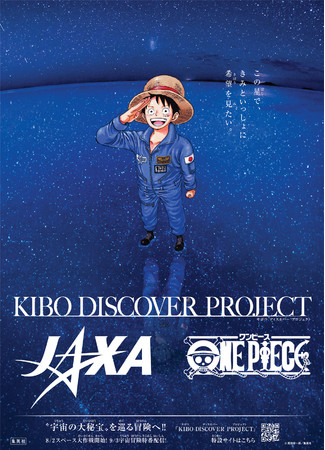
Eiichiro Oda’s ONE PIECE began in Weekly Shonen Jump issue 1997-34 (released July 22, 1997). Long serialization, popularity polls, and events became a framework for “supporting the work.” It later spread globally in many languages.
SourcePR TIMES — ONE PIECE serialization start (Weekly Shonen Jump 1997-34)
Manga Haikyu!! begins in Weekly Shonen Jump
 PR TIMES
Haruichi Furudate’s Haikyu!! began in Weekly Shonen Jump 2012-12 (released February 20, 2012). A representative of sports oshi leading to cheering songs, penlights, and later stage adaptations. After anime, domestic and international streaming made volleyball-cheering metaphors widely known.
SourcePR TIMES — Haikyu!! serialization start (Shueisha Weekly Shonen Jump 2012-12)
Manga Demon Slayer: Kimetsu no Yaiba begins in Weekly Shonen Jump
 PR TIMES
Koyoharu Gotouge’s Demon Slayer began in Weekly Shonen Jump 2016-11 (released February 15, 2016). After 2019 anime and the 2020 film boom, it became a social phenomenon with diverse oshi-katsu forms — goods, pilgrimage sites, cheering ads — and large overseas fandoms.
SourcePR TIMES — Demon Slayer serialization start (Aniplex Weekly Shonen Jump 2016-11)
Video, comments, and the Japanese internet
An era when performances and fan reactions stay online and get shared.
YouTube launches Japanese site
 YouTube video
YouTube opened a Japanese-language homepage. PVs, live archives, and fan uploads became major infrastructure for distributing and storing oshi content.
Niconico Live streams its first program
Official news
The inaugural program marked the start of live service Niconico Live. Watching your oshi live in real time with comment hype became a fixed viewing style.
Microblog Twitter launches Japanese version
Twitter’s Japanese site went public. Digital Garage partnered with Twitter for Japan expansion; 140-character posts spread as a way to share oshi updates and fan conversation in real time.
SHOWROOM live streaming service begins
 Official news
DeNA launched PC version of virtual live space SHOWROOM (November 25, 2013). Idol and talent live streams with comments and gifting became two-way cheering. A September 2014 overhaul added amateur channels and revenue-sharing for gifts.
Mirrativ Android app launches
Official newsDeNA launched Android Mirrativ, streaming a smartphone screen live. One-device game commentary and streaming laid groundwork for later VTuber and mobile-game broadcast culture.
YouTube Super Chat available to creators in Japan
 Official news
YouTube began Super Chat in Japan — viewers pay to highlight comments during live streams and share revenue with creators. It became an official way to spend money cheering during streams.
SourceYouTube Creators Japan blog — Super Chat launch (January 13, 2017)
TikTok begins service in Japan
 PR TIMES
Short-video app TikTok entered the Japanese market (ByteDance cites August 2017). Clips of lives, dances, and events spread as vertical short-video sharing.
SourceByteDance — press release (February 8, 2018 · App Ape Award 2017)
“YouTuber” nominated for Buzzword of the Year
“YouTuber” was among the 30 nominees for the 2017 Buzzword of the Year. Individual video and streaming as oshi content entered mainstream media vocabulary.
YouTube announces wider Channel Memberships rollout
 Official news
At VidCon 2018, YouTube announced expanding Channel Memberships (formerly Sponsorships) — monthly USD 4.99 badges, emoji, members-only posts — to channels over 100K subscribers. Alongside Super Chat, it became official recurring support for oshi creators.
VTuber live platform REALITY launches
 Official news
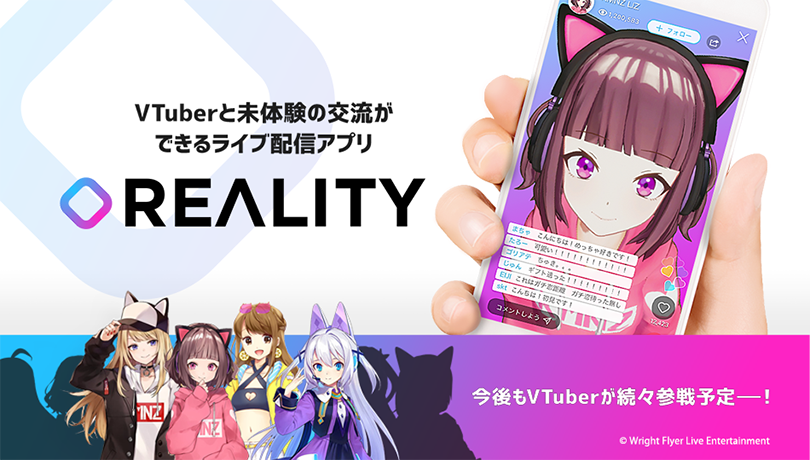
Wright Flyer Live Entertainment (GREE group) launched REALITY, a live platform for VTubers to stream and watch from smartphones.
Virtual live app IRIAM released on iOS
 PR TIMES
DUO Inc. released IRIAM on iOS — live streaming with illustrated characters (V-Livers) in real time. It spread as a V-focused viewing and gift-cheering app.
Paid online live LINE LIVE-VIEWING launches
 PR TIMES
As COVID-19 canceled or postponed lives, handshakes, and fan meetings, LINE Corporation launched LINE LIVE-VIEWING — paid online lives integrating ticketing, streaming, and billing. Online viewing of oshi lives and talks expanded rapidly when venues were unreachable.
~40% of paid online live viewers bought tips (Pia Research survey)
 Official news
Pia Research’s “Survey on paid online live viewing” (January 2021) reported that among paid online live viewers, 40.0% in music and 45.3% in stage bought paid items (tips and other online payments) beyond tickets. The same survey estimated the 2020 paid online live market at ¥44.8 billion.
SourcePia Corporation — paid online live viewing survey (February 15, 2021)
Social media “Twitter” rebrands to “X”
On July 23, 2023, X Corp. owner Elon Musk signaled the gradual end of the Twitter brand; around July 24 the site logo shifted to “X.” A major platform for oshi updates and fan conversation changed name and brand.
Random goods and oshi-katsu
Lotteries, blind boxes, and badge randomness in merchandise — separate from in-game gacha, the culture of chasing oshi goods.
Ichiban Kuji begins store lottery sales
Following 1996’s “Torutoru Catcher Ichiban Kuji,” store lottery sales with floor displays and register-draw tickets began at convenience stores and elsewhere — a standard random oshi-goods format.
SourceBANDAI SPIRITS — press release PDF (December 14, 2023)
Yano Research publishes “otaku” market survey including figures
Yano Research Institute published 2025 survey results on the “otaku” market, measuring a “figures” segment among 17 major fields. It reports 15 of 17 fields grew in FY2024 and predicts 16 growing in FY2025 (see the company release for scope and methods).
SourceYano Research Institute — press release (January 6, 2026)
“Random goods consumer awareness survey 2026” results published
Hamaru Strategy published results of a web survey (March 28–April 3, 2026; 35,866 valid responses) on random merchandise — badge lotteries, trading cards, online kuji — excluding in-game social-game gacha (non-random-sample voluntary responses).
SourceHamaru Strategy — Random goods consumer awareness survey 2026
VTuber
Milestones as VTuber content spread from Kizuna AI to hololive, Nijisanji, and beyond.
Kizuna AI begins activity as a virtual talent
 PR TIMES
Virtual talent Kizuna AI, produced by Activ8, began activity as one pioneer of the Virtual YouTuber (VTuber) boom.
VTuber Tokino Sora begins activity
 PR TIMES
VTuber Tokino Sora began under Cover’s hololive as the production’s first virtual idol.
Kizuna AI reaches 1 million YouTube subscribers
 PR TIMES
Kizuna AI’s YouTube channel A.I.Channel reached one million subscribers. The official site records a first real-world event commemorating the milestone.
SourcePR TIMES — Kizuna AI 1 million subscribers (Fuji Nextera Lab)
Cover launches hololive viewing service and app
 PR TIMES
Cover began hololive live viewing on December 21, 2017. In April 2018 it released the hololive smartphone app using front-camera face tracking for character streaming, enabling VTuber broadcasts via Mirrativ and other apps.
Nijisanji — eight official VTubers begin
 PR TIMES
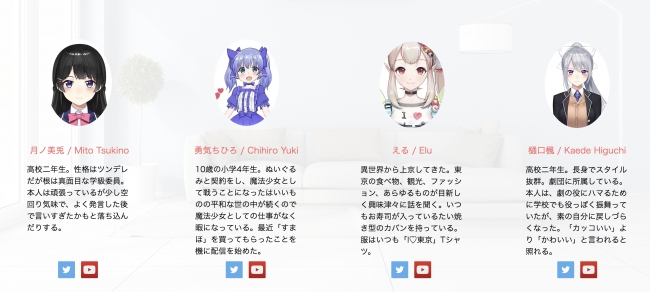
ANYCOLOR (then Ichikara) announced eight official Nijisanji VTubers posting videos and streaming live — lives on Mirrativ, edited and gameplay videos on YouTube and elsewhere.
Oshi-katsu culture in Korea (K-POP and Hallyu)
Debut milestones for groups like BIGBANG, EXO, BTS, TWICE, and BLACKPINK, plus official fandom platforms Weverse and bubble and state Hallyu support.
BIGBANG debuts at YG Family concert
YG Entertainment five-member group BIGBANG officially debuted at the YG Family 10th anniversary concert at Seoul Olympic Park Gymnastics Hall — one symbol of later K-POP boy-group booms.
EXO debut showcase at Seoul World Cup Stadium
 PR TIMES
SM Entertainment EXO-K and EXO-M performed “MAMA” at a debut showcase at Seoul World Cup Stadium. The Korea–China dual-unit structure and large fandom (EXO-L) became a template for 2010s boy-group oshi.
SourcePR TIMES — EXO April 2012 debut (AWA exclusive stream)
BTS debuts with mini album 2 Cool 4 Skool
HYBE (then Big Hit) seven-member BTS debuted with first mini album 2 Cool 4 Skool (title track “No More Dream”). They later became an international K-POP oshi model via Weverse, global tours, and ARMY.
TWICE debuts with “Like OOH-AHH”
 YouTube video
JYP Entertainment nine-member TWICE released debut song “Like OOH-AHH.” Point choreography and MV sharing helped settle SNS-driven girl-group oshi.
BLACKPINK releases debut singles “BOOMBAYAH” and “Whistle”
 PR TIMES
YG Entertainment four-member BLACKPINK simultaneously released debut singles “BOOMBAYAH” and “Whistle” — a leading late-2010s girl K-POP group built on strong performance and MV reach.
SourcePR TIMES — BLACKPINK August 2016 debut (KRAFTON JAPAN)
Weverse begins as a global K-POP fandom platform
 PR TIMES
HYBE’s Weverse Company launched fan community platform Weverse and commerce Weverse Shop. It spread as an official hub for BTS and other K-POP artists’ fan interaction and goods.
DearU bubble begins private K-POP messaging
Dear U launched DearU bubble for one-to-one star–fan messaging. Paid official messaging spread centered on SM, JYP, and other K-POP agencies.
“Fourth Korean wave boom” nominated for Buzzword of the Year
“Crash Landing on You / fourth Korean wave boom” was among the 30 nominees for 2020. A media indicator of renewed Hallyu attention centered on K-drama and K-POP in Japan.
Korea MCST scales K-content export support
Republic of Korea Ministry of Culture, Sports and Tourism announced 2023 measures centered on K-content creation and export — record policy finance, overseas hubs, and ICT-driven K-POP expansion as national strategy.
SourceMinistry of Culture, Sports and Tourism (Republic of Korea) — press release
BABYMONSTER releases debut song “BATTER UP”
 PR TIMES
YG Entertainment seven-member BABYMONSTER released debut song “BATTER UP” as a new-generation YG girl group — one late-2020s K-POP talking point built on MV, SNS, and live performance.
SourcePR TIMES — BABYMONSTER debut “BATTER UP” (Sony Music Solutions)
ILLIT debuts with 1st mini album SUPER REAL ME
BELIFT LAB (HYBE × CJ ENM) five-member ILLIT debuted with first mini album SUPER REAL ME (title track “Magnetic”) — a new 2020s girl-group oshi topic.
Oshi-katsu app milestones
When apps for recording your oshi and home-screen widgets spread.
NTT Solmare Shikaro launches
 PR TIMES
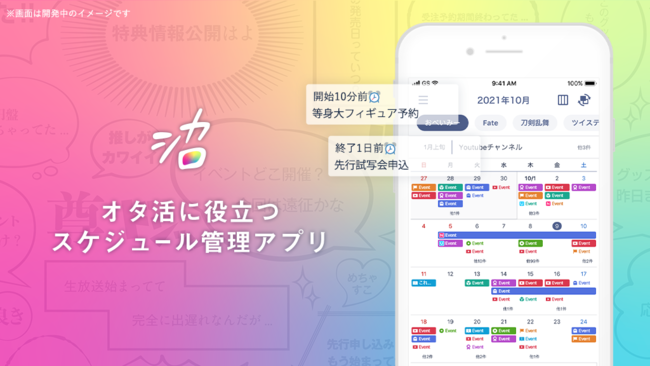
NTT Solmare launched Shikaro, an otaku schedule app showing official info for manga, anime, and game oshi on a calendar with curator-registered broadcast, release, and event dates — an early oshi-katsu app experiment. Service ended June 30, 2023 at 3 p.m.; App Store / Google Play distribution stopped the same day at noon.
Oshibana oshi-katsu app iOS release
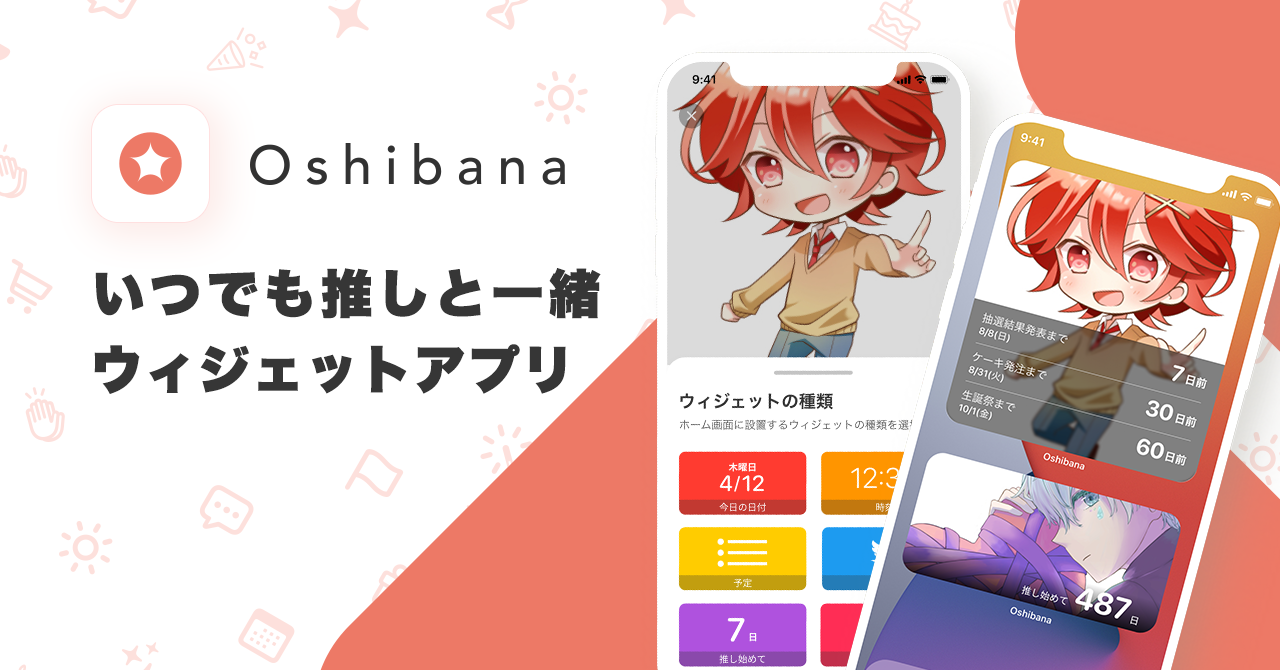
Booklista released Oshibana for iOS — an oshi-katsu app putting oshi images, anniversaries, and countdowns on home-screen widgets with strong App Store ratings. Development ended July 21, 2026; after a mandatory update August 20, 2026 at 6 p.m. it moves to view-only (app continues, export of registered data remains available).
SourceBooklista Inc. — news release (Oshibana official release)
Recruit Oshitasu oshi-katsu calendar feature release

Oshitasu, born from Recruit’s Ring intrapreneurship program, released an oshi-katsu calendar and related features in October 2022 as a business validation step — auto-aggregating appearances, tickets, and SNS for your oshi. Service ended September 12, 2024.
Sanrio Oshikyun released on App Store / Google Play
 PR TIMES
Sanrio released Oshikyun — an oshi-katsu support app with co-edited schedules, color-coded calendars, and community features. Sanrio, known for Enjoy Idol goods, entered digital oshi support. End announced March 31, 2026; service closed June 30, 2026.
Books and research on oshi-katsu
Milestones when fiction, criticism, surveys, and papers made oshi and fandom visible through literary prizes, bookstore votes, and social research.
Jean Baudrillard The Consumer Society published in Japanese
 Amazon.co.jp
The Japanese translation of Jean Baudrillard’s La société de consommation (trans. Yoshihiko Iimura & Tsukasa Tsuka) was published by Kinokuniya in October 1979. A classic on goods and media consumed as “signs,” often cited when reading fandom consumption and oshi-katsu.
Azuma Hiroki Narrative Consumption Theory published

Azuma Hiroki’s Narrative Consumption Theory — The Mythology of “Bikkuriman” (Shinyosha, May 1989) introduced “narrative consumption” — reading worldviews from product fragments — a starting point for later otaku, fan-work, and oshi-katsu discourse.
Manga Oshi no Ko begins in Weekly Young Jump
 Amazon.co.jp
Manga Oshi no Ko by Aka Akasaka (story) and Mengo Yokoyari (art) began in Weekly Young Jump issue 21 (released April 23, 2020). An entertainment-industry story around an obstetrician and idol “oshi” later became a social phenomenon and overlapped with spread of the phrase “oshi no ko” (word-era nomination).
Eureka September 2020 issue — “Female otaku now — oshi and me”
Seidosha Eureka September 2020 (released August 27, 2020) featured “Female otaku now — oshi and me,” collecting essays, interviews, and poetry on oshi dependence, fan works, and consumer feminism critiques.
Rin Usami My Loving Oshi-fan wins 164th Akutagawa Prize
 Amazon.co.jp
Rin Usami’s novel My Loving Oshi-fan (September 2020, Kawade Shobo Shinsha) won the 164th Akutagawa Prize (second half FY2020). Media widely discussed oshi culture as a prize-winning topic depicting all-out idol support.
SourceKawade Shobo Shinsha — My Loving Oshi-fan (164th Akutagawa Prize)
Alison Piepmeier Girl Zines published in Japanese
 Amazon.co.jp
Alison Piepmeier’s Girl Zines — Feminist Girls’ Participatory Media (trans. Momo Nonaka, Ohta Publishing, August 2011) traces 1990s U.S. zines and third-wave feminism — a comparative read with Japanese doujin and female-otaku discourse.
Daisuke Okabe Designing Fan Culture published
 Amazon.co.jp
Daisuke Okabe’s Designing Fan Culture — How They Learn, Create, and “Oshi” (Kyoritsu Publishing · Border-crossing Cognitive Science 8) uses fieldwork and cognitive science on fujoshi, cosplayers, and idol fans.
Introduction to Fandom Economy published
 Amazon.co.jp
Kokuyo Outdoor Learning Center ed., Introduction to Fandom Economy — From BTS to Creator Economy and the Metaverse (Kurotori / President Inc.) reads how fandoms change economy and society from BTS Army through creator economy, Web3, and NFTs.
SourceKurotori Inc. — press release (Introduction to Fandom Economy)
Namiko Kubo (Kawabe) The Science of “Oshi” published
 Amazon.co.jp
Namiko Kubo (Kawabe)’s The Science of “Oshi” — What Is Projection Science? (Shueisha Shinsho) explains oshi-katsu, fan works, and plushie photos through cognitive “projection.”
Noriko Okura Engineering “Kawaii” published
 Amazon.co.jp
Noriko Okura ed., Engineering “Kawaii” (Asakura Publishing) uses kansei engineering on “kawaii” artifacts — referenced when designing or consuming character goods, idols, and cute visuals.
Junko Inoue & Tai Ueda — fan psychological ownership of idols
Junko Inoue and Tai Ueda’s paper on fans’ psychological ownership of idols and effects on other fans and well-being appeared in Marketing Journal vol. 43 no. 1 (June 30, 2023), based on a survey of 550 idol fans.
Hakuhodo Oshinomics Report published
 Official news
Hakuhodo HUMANOMICS STUDIO published the second Oshinomics Project survey report, framing economic and psychological behavior around “oshi-katsu” as “oshinomics,” including national happiness differences by having an oshi (ages 10–69).
Momoka Oishi — quantitative sociology of popularized “oshi”
Momoka Oishi’s paper on the popularized, polysemous “oshi” through multivariate analysis of perception gaps appeared in Kyushu University Educational Sociology Bulletin no. 27 — creating an “oshi” scale and showing differing views between those with and without an oshi.
University of Tokyo 23rd Cultural Resources Forum report published
The University of Tokyo Graduate School report on the 23rd Cultural Resources Forum “Talking oshi culture — toward future research” (May 9, 2024) summarizes 2023 forum panels, NDL Ngram time-series analysis, etymology, pilgrimage, and oshi fatigue as cultural material for future study.
SourceUniversity of Tokyo Cultural Resources Lab — forum report (PDF)
National Consumer Affairs Center — celebrity worship in oshi-katsu
Kosuke Mizumori’s paper on young people’s celebrity worship in oshi-katsu and consumer behavior appeared in National Consumer Affairs Center Research vol. 64 no. 2 (December 2024), focusing on people in their 20s.
Gekidan Mesneko My First Oshi-katsu published
 Amazon.co.jp
Gekidan Mesneko’s My First Oshi-katsu — Every Day Shines Brighter! (Takahashi Shoten) is a children’s guide covering rules, manners, SNS cautions, and oshi-katsu savings.
Ryo Asai In the Megachurch tankobon published
 Amazon.co.jp
Ryo Asai’s novel In the Megachurch (Nikkei BP / Nikkei Publishing) follows an idol-group operator, a burned-out college oshi-katsu fan, and a former stage-actor supporter to depict fandom economy and how “stories” move people. It won the 23rd (2026) Hon’ya Taisho announced April 9, 2026.
Kengo Hosaka et al. — oshi-katsu initiation and health in older adults (GGI)
Kengo Hosaka, Tomoki Tanaka, Katsuya Iijima, and Misato Nihei’s paper on identifying oshi-katsu initiation and health-promoting activities among older adults using trajectory equifinality analysis was published online in Geriatrics & Gerontology International (DOI: 10.1111/ggi.70244).
Language of fan culture
Milestones when vocabulary around oshi, otaku, and following idols’ appearances became visible through Buzzword of the Year and National Diet Library public essays.
Female gidayu fans’ “Okake-ren” chase groups
During the Meiji female gidayu boom, fan groups chasing rickshaws of favorite performers from venue to venue were called “Okake-ren.” An early example of fan behavior akin to following idols’ appearances and moves — distinct from personal stalking in romantic relationships.
SourceNational Diet Library — Kaleidoscope of Books no. 34 Oshi-katsu Rhapsody (Act 3)
“Moe~” in Buzzword of the Year top ten
“Moe~” ranked in the 2005 Buzzword of the Year top ten. Award commentary noted “moe” spreading beyond otaku worlds. While “otaku” itself was not nominated, otaku-origin vocabulary entered mainstream media.
“Rekijo (history girls)” nominated for Buzzword of the Year
“Rekijo” was among 30 nominees in 2009 — young women increasingly “supporting” historical figures and eras via films, games, and taiga dramas.
“Oshi-men” nominated for Buzzword of the Year
“Oshi-men” appeared among 2011 nominees — a word for the one person you especially cheer among idols and entertainers, marking its spread in media.
“Touken joshi” nominated for Buzzword of the Year
“Touken joshi” was among 30 nominees in 2015 — female fans supporting anthropomorphized swords amid popularity of smartphone game Touken Ranbu.
“Seichi junrei (pilgrimage)” in Buzzword of the Year top ten
“Seichi junrei” ranked in the 2016 top ten — visiting real locations that appear in films, TV, and games as fan culture entered mainstream vocabulary.
“Bandwagon fan (niwaka fan)” nominated for Buzzword of the Year
“Niwaka fan” was among 30 nominees in 2019 — people who newly become fans riding a specific work or event boom.
“Oshi-katsu” nominated for Buzzword of the Year

In the 2021 Buzzword of the Year selected by Jiyu Publishing’s Gendai Yogo no Kiso Chishiki, “oshi-katsu” was one of 30 nominees (not the grand prize or top ten).
“Oshi no Ko / idol” nominated for Buzzword of the Year
“Oshi no Ko / idol” was among 30 nominees in 2023 — fiction about supporting a fictional “idol” alongside real oshi-katsu and character/concept oshi.
“Nui-katsu” nominated for Buzzword of the Year
“Nui-katsu” was among 30 nominees in 2025 — taking plushies and oshi goods out and documenting it, nominating culture that cheers non-human objects as oshi.
FAQ
Why are only certain idols and groups listed?
We focus on widely reported milestones in Japan, Korea, and elsewhere where sources could be verified on official sites.
Where can I compare oshi-katsu apps?
For comparisons of recording, streaming, official fan clubs, and other tools, see the separate oshi-katsu apps guide.
Social games and oshi-katsu
Supporting in-game characters through gacha and events.
Puzzle & Dragons iOS version launches
GungHo Online Entertainment launched smartphone puzzle RPG Puzzle & Dragons (Pazudora) on the App Store. Collecting and team-building monsters with gacha became a leading example of social-game oshi and gacha culture.
SourceGungHo Online Entertainment — press release (February 20, 2012)
Complete gacha — Consumer Affairs Agency view and industry self-regulation
On “complete gacha” (paid draws requiring specific item combinations), the Consumer Affairs Agency stated on May 18, 2012 it could fall under the Premiums and Representations Act “card combination” rules. Revised guidelines from July 1, 2012 clarified scope; companies ended complete gacha. JOGA published business-model guidelines in July 2012, advancing self-regulation. Social-game gacha spending and fan cheering drew public attention.
SourceConsumer Affairs Agency — online transactions and “card combination” FAQ
Love Live! School Idol Festival distribution begins
Smartphone game Love Live! School Idol Festival (SIF), co-developed by KLab and Bushiroad, began iOS distribution. Rhythm play, story, and gacha member collection became a flagship school-idol social game.
SourcePR TIMES — Love Live! School Idol Festival iOS launch (KLab)
Fate/Grand Order Android version launches
TYPE-MOON smartphone RPG Fate/Grand Order (FGO) Android version launched first (iOS in August 2015). Supporting Servants through summoning gacha and events became a watershed for character-IP social-game oshi.
SourceTYPE-MOON Official Web Site — news (July 30, 2015)
“Uma Musume” nominated for Buzzword of the Year
“Uma Musume” was among the 30 nominees for the 2021 Buzzword of the Year. The hit horse-racing character raising game brought in-game character oshi into mainstream media vocabulary.
SourceJiyu Publishing — 38th (2021) nominee list